
table of contents
- What is a Yiwu agent?
- Why is Yiwu different from other China sourcing markets?
- Why do international buyers use a Yiwu agent?
- How does sourcing from Yiwu work in 2026?
- How does a Yiwu agent protect your interests?
- What services should a good Yiwu agent provide?
- How much does a Yiwu agent cost?
- How do you choose a reliable Yiwu agent?
- How should payments be managed?
- Can a Yiwu agent support OEM, private label, and packaging?
- What mistakes should buyers avoid?
- What should happen after the goods leave the warehouse?
- Can you source from Yiwu without visiting China?
- Is Yiwu suitable for small orders and LCL shipments?
- What should you send when requesting a Yiwu sourcing quote?
- Frequently asked questions
- Conclusion: how to source from Yiwu with less risk
Sourcing from Yiwu in 2026 is still one of the fastest ways to build a mixed wholesale order from China. The hard part is not finding products. It is checking who is selling them, confirming the specifications, controlling quality, collecting goods from many booths, and shipping one accurate order to your country. This Yiwu Agent Guide explains how the process works and when an on-the-ground sourcing agent is worth the fee.
For remote buyers, a Yiwu agent can act as your local purchasing team. The right partner helps you search the market, compare suppliers, negotiate prices, inspect goods, consolidate orders, and prepare shipping documents before the cargo leaves China.
Key takeaways
- Yiwu works best for mixed orders, many suppliers, flexible product ranges, and small-to-medium wholesale quantities.
- A sourcing agent reduces the operational burden by handling supplier communication, inspection, warehousing, and consolidation in China.
- Typical agent commissions are often quoted as a percentage of the order value, but the final cost depends on order size, product complexity, QC scope, and shipping needs.
- The safest workflow is: product brief → supplier shortlist → samples → purchase orders → inspection → final payment → consolidation → shipment.
What is a Yiwu agent?
A Yiwu agent is a local company or purchasing team that represents an overseas buyer in Yiwu, China. Instead of asking dozens of market stalls to quote, pack, inspect, and export your order separately, you work through one local point of contact. That agent coordinates the tasks that suppliers usually cannot manage for an international buyer.
A professional agent may help with product search, supplier comparison, price negotiation, sample collection, order placement, production follow-up, quality inspection, warehouse receiving, carton counting, export paperwork, and shipping coordination. The exact scope should be written into your quotation or service agreement.
For a detailed overview of the service model, see our Yiwu sourcing agent service. It explains how remote buyers can use a local team without travelling to China for every order.
Why is Yiwu different from other China sourcing markets?
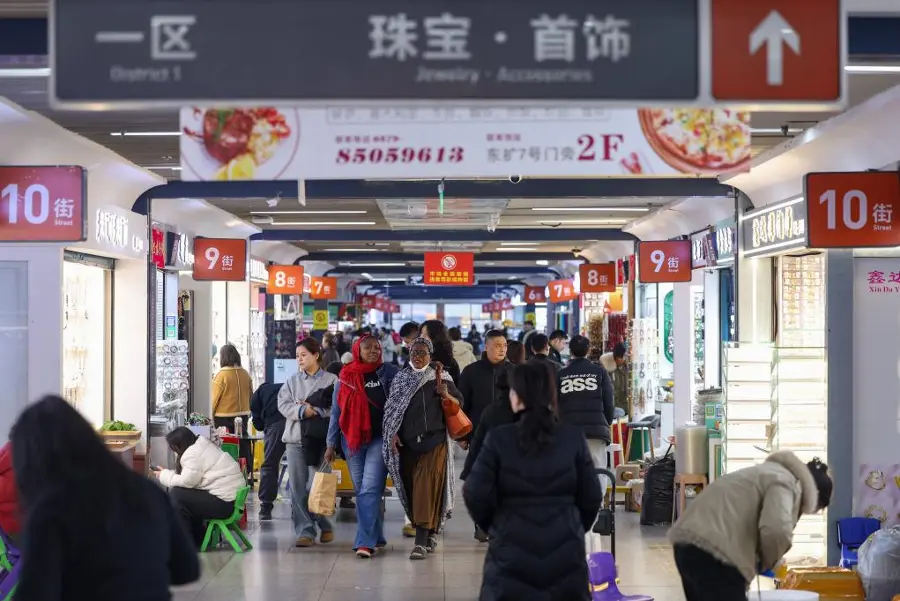
Yiwu is not one large factory district. It is a dense wholesale market made up of thousands of booths, small distributors, factory outlets, trading companies, and supporting logistics businesses. That structure gives buyers access to a wide product range, but it also means that sourcing from Yiwu requires more supplier comparison and order coordination than a single-factory purchase.
- Micro-orders: buyers can combine smaller quantities from many product booths
- Large product variety: home goods, toys, accessories, gifts, packaging, stationery, hardware, and seasonal products are available across different market sections
- Mixed-container complexity: many small suppliers do not manage export paperwork or international shipping themselves
- Different supplier types: the booth owner may be a factory outlet, wholesaler, distributor, or trading company
- Fast product comparison: a local buyer can compare several nearby suppliers before you commit
This is why an agent’s local presence matters. The useful service is not simply translation. It is knowing which supplier to approach, which quote needs checking, which product needs a sample, and which order should not be shipped before inspection.
For a product-by-product view of the market, connect this guide with the complete Yiwu Market sourcing guide and the article on Yiwu Market’s most popular sections.

Why do international buyers use a Yiwu agent?
Yiwu is especially useful when one order includes products from many different sellers. The market gives buyers broad choice, but that choice creates coordination work. Each booth may have different prices, minimum order quantities, packaging standards, lead times, and payment instructions.
- One supplier may sell the product while another supplies custom packaging
- Different booths may deliver at different times
- Small sellers may not have their own export process
- Product names and specifications may be unclear across languages
- Mixed goods need checking before they enter one shipment
- Cartons need counting, labelling, and safe loading at the warehouse
The agent’s value comes from controlling these handoffs. If you are buying one simple product from one established factory, direct purchasing may be practical. If you are building a mixed order from 10, 20, or 50 suppliers, local coordination becomes much more valuable.
Buyer example: A Lagos wholesaler may want toys, kitchen accessories, bags, and small household products in one shipment. A local agent can collect the goods, check each carton, record shortages, and prepare one consolidated shipment instead of leaving the buyer to coordinate every booth separately.
How does sourcing from Yiwu work in 2026?
The process normally starts with a product brief and ends with a checked, consolidated shipment. The buyer does not need to visit Yiwu for every step. In many cases, photos, videos, quotations, digital purchase orders, samples, and inspection reports allow the entire order to be managed remotely.
Step 1: Prepare a clear product brief
Send more than a product name. A useful brief includes product photos or links, materials, colours, dimensions, packaging requirements, target price, estimated quantity, destination country, required certifications, and whether you need a logo or custom packaging. The more precise the brief, the less time is wasted on unsuitable suppliers.
Step 2: Search the Yiwu market and shortlist suppliers
Your agent searches relevant market districts, existing supplier networks, Yiwugo listings, 1688.com, DHgate, and direct factory contacts where appropriate. The shortlist should show the supplier name, product photos, quoted price, MOQ, available colours, packaging, lead time, and any known compliance information.
Do not judge a supplier only by a catalogue photo. Ask whether the booth is a factory outlet, a wholesaler, or a trading company. That distinction affects price, customization, MOQ, and production control.
Step 3: Compare prices, MOQs, and samples
A reliable comparison should show the same specifications across suppliers. Check whether the quote includes packaging, logo printing, local delivery, sample fees, and tax or export charges. If two products look similar but use different materials, a low price may not represent a real saving.
Samples matter most when the order is customized or quality-sensitive. Approve a reference sample, colour, size, and packaging format before mass production. That approved sample becomes the standard used during inspection.
Step 4: Place purchase orders and deposits
Once you approve the supplier list, the agent prepares purchase orders or written instructions for each seller. These should state the product description, quantity, unit price, packaging, delivery date, inspection requirements, and payment terms. A common structure is a deposit followed by a balance after inspection, but your agreement should reflect the supplier and product.
Step 5: Follow production and collect goods
Goods arrive at the agent’s warehouse as suppliers finish them. The warehouse team records cartons, checks labels, separates orders, and follows up on missing deliveries. This step is especially important for mixed Yiwu orders because one delayed supplier can hold up the whole shipment.
Step 6: Inspect before final payment and shipping
Inspection should compare the received goods against your purchase order and approved sample. Depending on the product, the checks may cover quantity, dimensions, colour, materials, functionality, labels, carton strength, and packaging. You should receive photos or videos before authorizing the balance and shipment.
For a separate explanation of the service scope, review the China quality control service. Buyers with higher-risk products can also request a defined inspection checklist before production starts.
How does a Yiwu agent protect your interests?
Distance is one of the main risks in China sourcing. Once a deposit has been paid, the buyer may have little practical control over product quality, delivery timing, or the supplier’s willingness to correct mistakes. A local agent gives the buyer someone who can visit the booth, check the warehouse, discuss problems in Chinese, and hold goods before they are shipped.
Local communication and negotiation
Translation apps can convert words, but they do not always explain product intent. “Matte finish,” “food-safe material,” “reinforced packaging,” and “commercial-grade” need to be understood in the supplier’s working language. A local agent also knows how to ask for a better price without damaging the supplier relationship.
Physical follow-up when something goes wrong
If a supplier misses a delivery or sends the wrong colour, an agent can visit the booth or factory instead of sending another round of emails. That does not guarantee a perfect result, but it gives the buyer a practical escalation route before the cargo leaves China.
Buyers who are comparing risk controls can also read the Yiwu sourcing risks guide before placing a first order.
Step 7: Consolidate and ship the order
After inspection, the agent groups the cartons into one shipment or arranges LCL freight when a full container is not required. The final plan depends on cargo volume, weight, product type, destination, delivery terms, and the buyer’s deadline. The agent should confirm the packing list and shipping cost before loading.

What services should a good Yiwu agent provide?
A good Yiwu agent should make the buying process more auditable, not more mysterious. You should know which supplier is quoting, what you are paying, what has arrived, what has passed inspection, and what remains outstanding.
- Product sourcing: finding suitable suppliers and product options
- Supplier comparison: showing price, MOQ, lead time, and product differences
- Negotiation: confirming price, packaging, payment, and delivery terms
- Sample management: collecting and sending samples for approval
- Order follow-up: tracking production and delivery milestones
- Quality inspection: checking goods before the balance is released
- Warehouse receiving: counting and recording cartons as they arrive
- Consolidation: combining products from multiple suppliers
- Shipping coordination: arranging freight and export documents
Some buyers also need OEM support, custom packaging, product photography, or design work. Confirm whether these services are included in the commission or quoted separately. If you need product development, our OEM and private-label design service is the relevant next step.
How much does a Yiwu agent cost?
Yiwu agent fees are commonly structured as a commission, a fixed service fee, a daily sourcing fee, or a combination of these. Commission rates often fall within a single-digit percentage range, but the correct rate depends on order value, number of suppliers, inspection requirements, warehouse handling, product complexity, and shipping coordination.
| Fee model | When it may fit | What to confirm |
|---|---|---|
| Percentage commission | Ongoing orders and mixed sourcing | What the commission includes and whether markups are allowed |
| Fixed sourcing fee | Short market visits or limited supplier search | Daily hours, transport, translation, and follow-up scope |
| Per-order or per-carton fee | Warehouse handling and consolidation | Receiving, storage, inspection, relabelling, and loading charges |
| Combined model | Complex orders with sourcing plus logistics | A written cost breakdown and payment schedule |
The fee itself is only one part of landed cost. Ask for the supplier invoice, agent commission, local transport, warehouse charges, inspection fees, export documentation, freight, insurance, and destination charges separately. You can also compare the quoted structure with the site’s Yiwu sourcing agent pricing guide before requesting a final quote.
Important: A low commission does not automatically mean a lower total cost. Check for hidden supplier markups, factory kickbacks, inflated local delivery, weak inspection, and unclear exchange rates.
How do you choose a reliable Yiwu agent?
Choose an agent by the evidence they can show, not by a polished promise. Before sending a large deposit, ask for a company profile, physical office or warehouse details, sample inspection reports, references, payment instructions, and a written explanation of what happens when goods fail inspection.
Questions to ask before signing
- Which parts of the Yiwu market and which product categories do you know best?
- Will I receive the original supplier quotations or invoices?
- How do you prevent hidden markups and supplier conflicts of interest?
- What does your inspection include, and when will I receive the report?
- What happens if the goods fail inspection or arrive short?
- Where are goods stored before consolidation?
- How quickly do you normally respond during an active order?
- Which payment methods and company bank accounts do you accept?
- Can you provide a small test order before a larger shipment?
A serious agent should answer these questions directly. Be cautious if the company promises every product at the lowest price, refuses to show supplier paperwork, asks for personal-account payments, or cannot explain how quality problems are handled.
If you are comparing several companies, our guide to the top Yiwu sourcing agents in 2026 gives you another way to assess service scope, communication, and buyer fit.
How should payments be managed?
Payment control should be agreed before the first deposit. Your written process should show who receives the money, which supplier receives each payment, what exchange rate is used, when the balance is due, and what happens if the goods fail inspection. Buyers should avoid unclear personal-account instructions and unexplained price differences between the supplier quote and the agent invoice.
Many purchase orders use a deposit followed by a balance after production and inspection. The exact split depends on the supplier and product, but the principle is simple: do not release the final balance before you have evidence that the goods match the agreed specifications.
For a broader explanation of payment controls, link this guide with safe payment methods for China suppliers. That article is useful when your main concern is protecting funds before the goods are released.
Can a Yiwu agent support OEM, private label, and packaging?
Yes, but buyers should separate standard wholesale sourcing from product development. A standard market order usually involves selecting an existing item, confirming colours and quantities, and ordering available packaging. OEM or private-label work may require a new mould, custom materials, logo printing, branded packaging, product photography, or several rounds of samples.
- Confirm who owns the artwork, mould, and final design files
- Approve a branded prototype before mass production
- Record logo size, colour references, material, and packaging details
- Confirm MOQ and the cost of rejected or revised samples
- Use written confidentiality and product-use instructions where appropriate
A local agent can coordinate the product supplier with a separate packaging or printing supplier. That is useful when the original booth can supply the product but cannot provide the branded box, insert, label, or photo assets your market requires.
What mistakes should buyers avoid?
Most expensive Yiwu sourcing mistakes happen before the cargo reaches the port. Buyers approve a vague product, skip samples, send deposits without written specifications, or treat a catalogue picture as proof of quality.
- Choosing the cheapest quote without comparing materials and packaging
- Ordering before approving a physical or video sample
- Paying the final balance without an inspection report
- Using product names instead of measurable specifications
- Failing to plan carton labels and destination requirements
- Assuming every market booth can export directly
- Waiting until the goods are ready before discussing shipping
A written product specification sheet prevents many of these problems. It should define acceptable defects, packaging standards, dimensions, colours, quantity tolerance, and the evidence required before final payment.
What should happen after the goods leave the warehouse?
Before loading, confirm the final carton count, packing list, gross weight, CBM, shipping method, destination, and delivery terms. Keep copies of the commercial invoice, packing list, bill of lading, certificate of origin where applicable, and any product documents required by the destination country.
Shipping responsibility should be clear. Some agents arrange only the China-side movement, while others coordinate LCL, FCL, DDP, or delivery to a destination warehouse. Buyers comparing options can review the site’s shipping and logistics service before choosing the final arrangement.
If your buying plan depends on an in-person market visit, the guide to getting to Yiwu Market is a useful supporting resource. It covers the travel side; this article focuses on how the sourcing and order process works once products are selected.
Can you source from Yiwu without visiting China?
Yes. Remote sourcing works when the buyer has clear specifications and the agent provides evidence at each decision point. You can review supplier options by video, approve samples by courier, receive warehouse photos, check inspection reports, and confirm the final packing list online.
Remote buyers should create a simple approval system. For example, approve supplier selection in one document, samples in another, and final inspection through a written “go” message. This reduces confusion when an order contains many product lines.
Is Yiwu suitable for small orders and LCL shipments?
Yiwu can suit small and mixed orders because buyers can purchase different products from many sellers. The challenge is that small orders create more handling work per product line. Consolidation, carton counting, inspection, and documentation become more important when the shipment is assembled from many booths.
Before ordering, ask for an estimate based on CBM, gross weight, carton count, product type, and destination. If your shipment is too small for a full container, ask whether LCL or shared-container freight is available and how warehouse charges are calculated.
What should you send when requesting a Yiwu sourcing quote?
A useful inquiry gives the agent enough information to respond with a real sourcing plan instead of a generic introduction. Include the product category, photos or links, target quantity, destination country and city, target price, customization needs, required certifications, expected buying date, and whether you need samples, inspection, warehousing, or shipping.
Send your product list: Include the items you want, estimated quantities, target market, and destination. A clear brief makes it easier to recommend the right suppliers and identify the next cost decision.
YiwuAgent works with remote wholesale buyers and provides product sourcing, supplier coordination, inspection, consolidation, and shipping support. The company has 18+ years of experience, has served 500+ overseas buyers across 30+ countries, and uses a 3%–6% transparent commission model. Orders are inspected before shipping, with an average lead time of roughly two weeks depending on the product and supplier.
Get a free sourcing quote and send your product requirements for a supplier and cost review.
Frequently asked questions
What is the difference between a Yiwu agent and a freight forwarder?
A Yiwu agent helps with sourcing, supplier communication, samples, purchasing, inspection, and consolidation. A freight forwarder focuses mainly on transport and shipping documents. Some companies provide both, but buyers should confirm exactly who is responsible for product quality and supplier follow-up.
How long does Yiwu sourcing take?
Simple stock orders may move quickly, while custom or multi-supplier orders take longer. A practical schedule includes time for supplier search, sample approval, production, warehouse receiving, inspection, and shipping. Ask for a milestone plan rather than one broad delivery promise.
Can a Yiwu agent help with private label products?
Yes. An agent can coordinate product changes, logo placement, packaging, sample approvals, and communication between product and packaging suppliers. For private label work, confirm design ownership, sample approval rules, minimum order quantities, and whether the design work is included in the service fee.
What is the safest way to start with a new Yiwu agent?
Start with a controlled test order. Use a manageable product range, agree on written specifications, request supplier documents, review the inspection report, and measure communication speed. A small test exposes process problems before they become problems across a full container.
Conclusion: how to source from Yiwu with less risk
Sourcing from Yiwu works best when the buyer treats the order as a process, not a single purchase. Start with a clear product brief, compare suppliers on the same specifications, approve samples, record every order detail, inspect before final payment, and consolidate only after the goods are counted and checked.
A Yiwu agent is most useful when your order involves many suppliers, mixed products, remote communication, customized packaging, or strict quality requirements. If that describes your next shipment, request Yiwu sourcing support or submit your product requirements for a practical starting quote.
View Related Content