table of contents
Introduction: Why Buyers Are Surprised by Yiwu Prices
Many buyers visiting Yiwu Market for the first time have the same reaction: the prices seem unreal.
The same product that sells in a local wholesale market may cost 30% more, or even higher. But in Yiwu, prices are often pushed to the lowest practical level.
This is not simply because of “cheap quality.” It is the result of a highly efficient sourcing ecosystem built over many years.
Yiwu combines thousands of factories, dense supplier networks, fast product turnover, low transaction costs, and intense market competition in one place. Every step of the supply chain is optimized to reduce cost and increase speed.
For buyers, this means access to factory-level pricing, flexible order options, and a huge variety of products in one market.
That is why Yiwu Market continues to attract importers, wholesalers, online sellers, and sourcing agents from around the world.
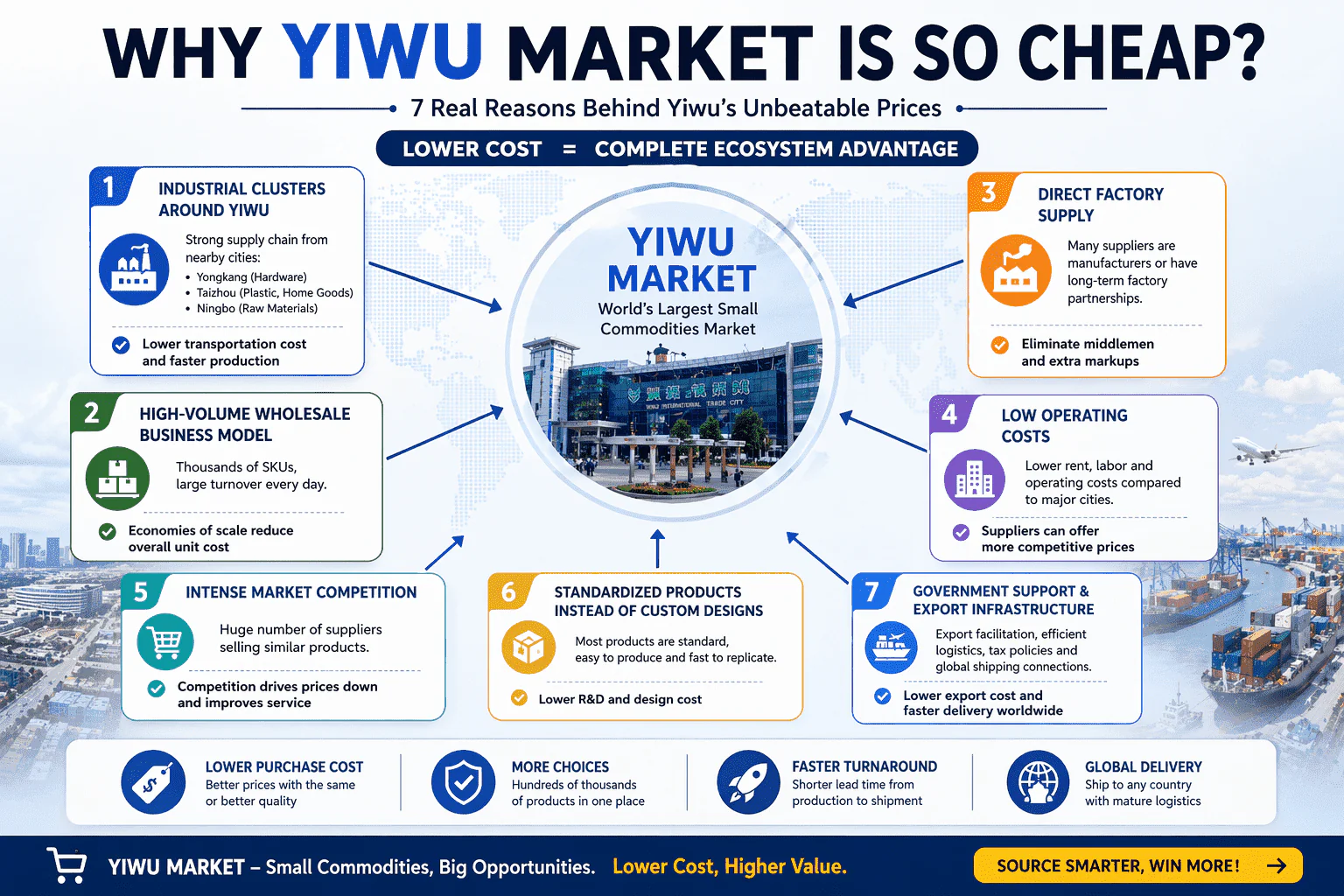
1. Massive Industrial Clusters Reduce Production Costs
The real reason behind Yiwu’s low prices is not only the market itself. It is the powerful manufacturing network behind it.
China has built highly specialized industrial clusters over many years. Different cities focus on different product categories:
- Yiwu – daily commodities and small consumer goods
- Yongkang – hardware and metal products
- Taizhou – plastic products
- Ningbo – stationery and office supplies

When factories in the same industry are concentrated in one region, major cost advantages appear.
First, the supply chain becomes much shorter. Materials, components, packaging, and assembly services are all nearby. This reduces transportation time and logistics expenses.
Second, raw materials can be sourced locally and in bulk. Suppliers compete with each other, helping factories secure better prices.
Third, supporting factories are complete and efficient. Printing, molding, packaging, labeling, and accessory suppliers are often located within a short distance.
This means production costs are reduced through efficiency, not simply by cutting profit margins.
For buyers, this structure creates two major advantages: stable low pricing and reliable long-term supply. That is one of the key reasons why sourcing through Yiwu Market remains highly attractive for importers worldwide.
2. Bulk Production and High Volume Orders
The true nature of Yiwu Market is not retail. It is built for wholesale business.
Most suppliers are not serving individual shoppers. Their daily customers are:
- Wholesalers
- E-commerce sellers
- Chain stores and retail brands
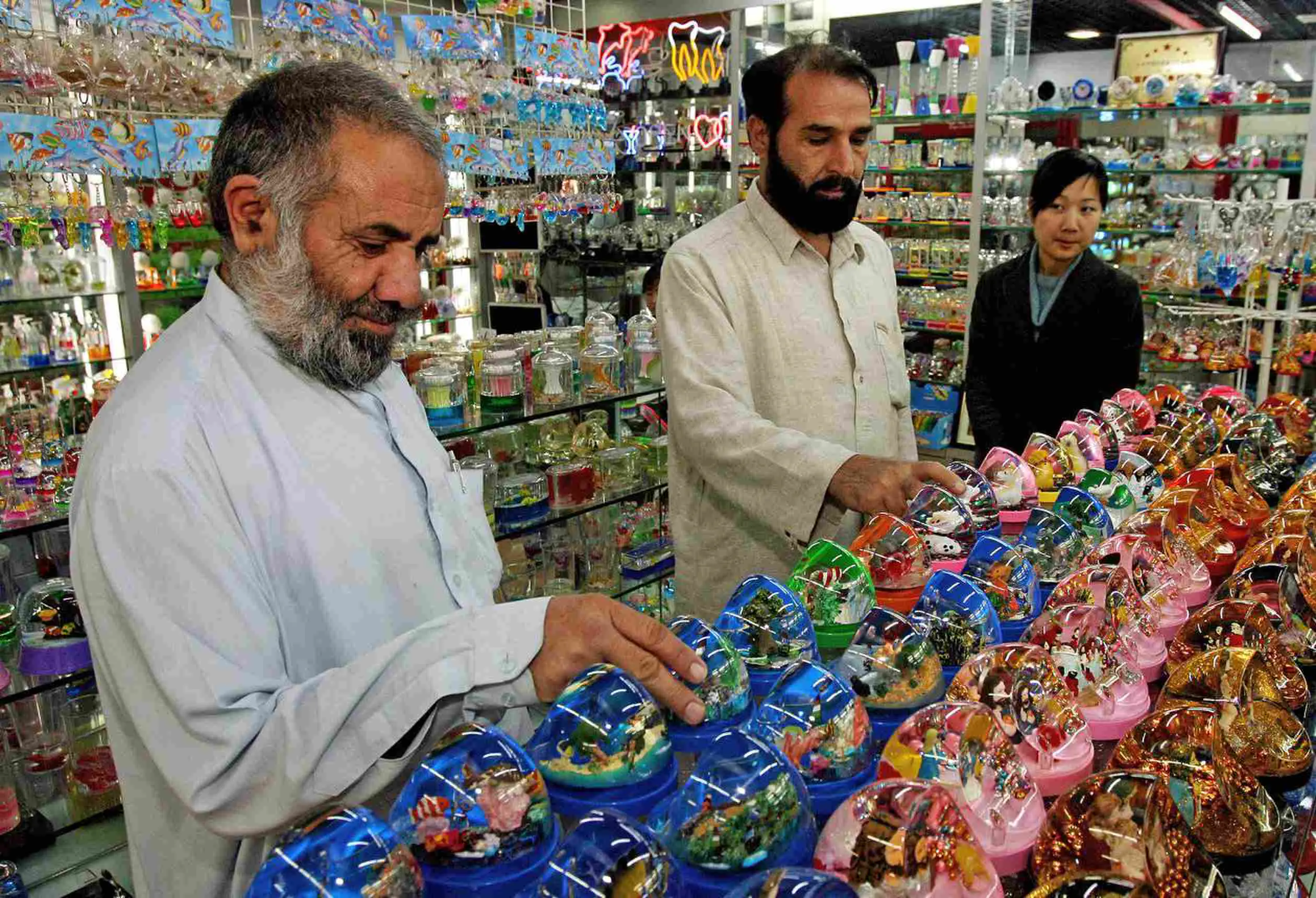
Because of this customer structure, suppliers operate with a very different business model:
Low profit margin + high turnover volume
Many products may only generate a 5%–10% margin per order. However, suppliers make money through constant repeat sales and large purchasing volumes.
Instead of relying on one expensive transaction, they prefer many fast-moving orders every day. This keeps cash flow strong, factories busy, and inventory moving quickly.
That directly leads to one major result:
Unit prices are often far lower than in traditional local markets.
In many countries, wholesalers pass products through several middle layers before reaching buyers. In Yiwu, those layers are reduced, so pricing becomes much more competitive.
This is also why MOQ (Minimum Order Quantity) has a strong effect on pricing. Larger orders help suppliers spread production costs, packaging costs, and logistics costs across more units. As volume increases, the price per piece usually drops.
For serious importers, understanding this wholesale logic is the key to getting the best deals in Yiwu Market.
3. Fierce Competition Keeps Prices Transparent
Inside Yiwu International Trade City, there are tens of thousands of suppliers offering products across nearly every category imaginable.
In many cases, sellers offering the same type of product are located on the same street, in the same hall, or even only a few booths apart.
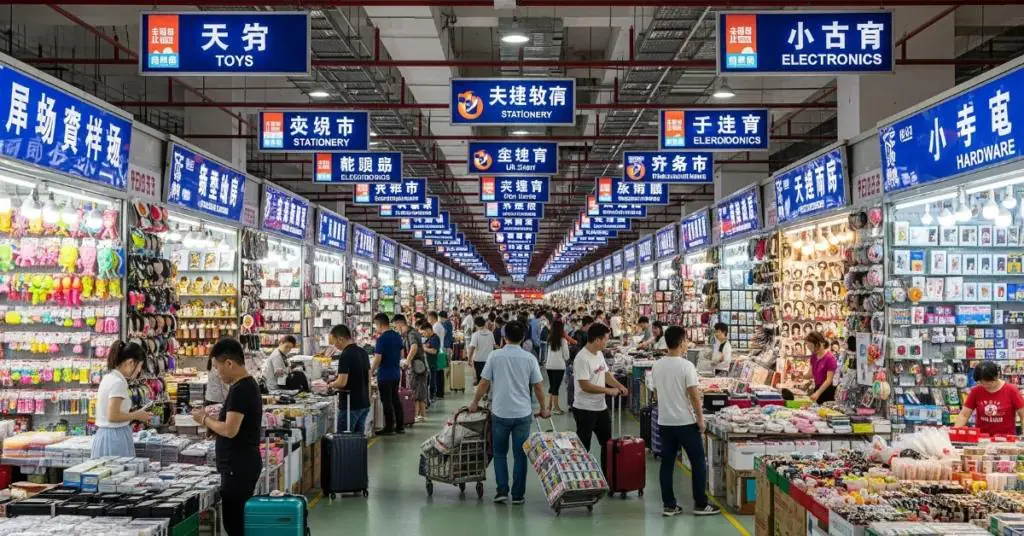
This intense level of competition creates two major advantages for buyers.
First, prices are highly transparent. Buyers can compare multiple suppliers within minutes instead of spending days searching across different cities or websites.
Second, quotations are often close to the real market bottom price. If one supplier offers a price that is too high, buyers can immediately walk to the next booth and compare alternatives.
Because suppliers know buyers have many nearby options, they are pushed to stay competitive on pricing, quality, and service speed.
This is also one of the biggest reasons sourcing in Yiwu Market is so efficient. Instead of long negotiations with limited choices, buyers can quickly benchmark products, compare samples, and make faster purchasing decisions.
4. Direct Factory-to-Market Model
Many suppliers in Yiwu Market are not traditional middlemen.
Instead, they usually fall into one of two models:
- They own their own factories
- They work in long-term partnership with dedicated factories
This creates a much more efficient supply structure.
Without multiple layers of intermediaries, products can move from the factory directly into the market. Pricing decisions are faster, communication is clearer, and production adjustments can be made quickly.
Compared with a traditional import chain:
Factory → Trading Company → Distributor → Retailer
the Yiwu model often removes several extra layers of markup.
As a result, buyers can access more competitive prices while suppliers still maintain healthy order volume.
Another advantage is speed. When products need packaging changes, logo customization, or repeat orders, factory-linked suppliers can usually respond much faster than long multi-layer supply chains.
That is why many importers choose Yiwu Market not only for low prices, but also for better control, faster sourcing, and more direct access to manufacturing resources.
5. Lower Operating Costs Compared to Western Markets
Compared with many Western markets, the overall operating cost structure in China is still more competitive in several key areas.
These often include:
- Labor costs
- Warehousing costs
- Logistics costs
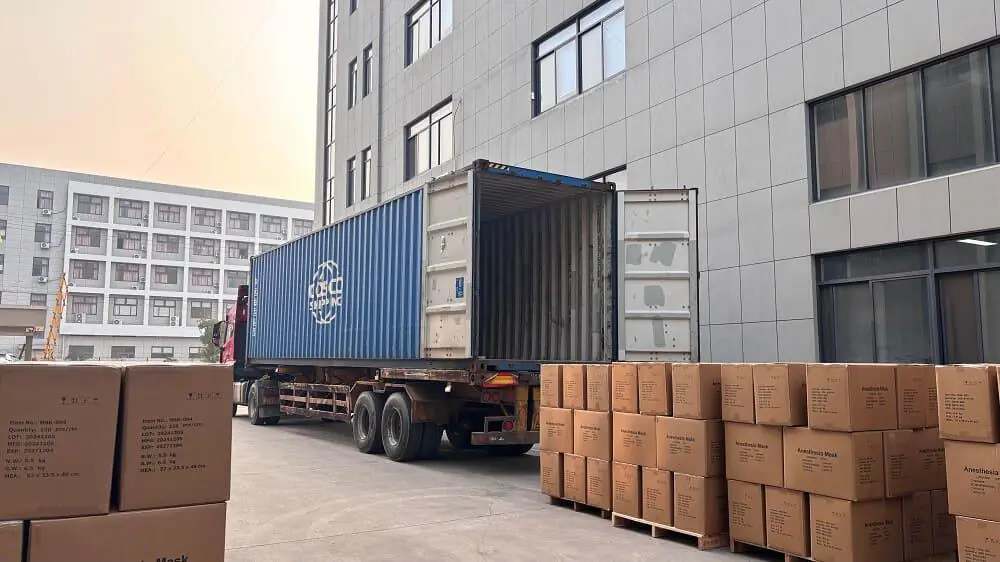
This lower cost environment helps suppliers offer better prices while remaining profitable.
At the same time, Yiwu Market uses a highly standardized business model designed for fast wholesale transactions.
Many suppliers operate from compact booths instead of expensive large retail stores. Rental costs are controlled, staffing needs are lower, and product displays are optimized for business buyers rather than walk-in retail traffic.
Orders are handled quickly. Buyers compare samples, confirm quantities, negotiate terms, and move to the next supplier in a short time. This high transaction speed increases efficiency for both sides.
Because overhead stays low and turnover remains high, the final product price can be reduced further.
For importers, this means Yiwu is not only about cheap products—it is about a cost-efficient wholesale ecosystem built to support global trade.
6. Standardized Products Instead of Custom Designs
A large share of products in Yiwu Market are designed for fast-moving wholesale demand rather than expensive custom development.
Most items are:
- Universal styles
- Standardized products
- Fast-to-reproduce designs
This production model creates major cost advantages.
Because suppliers focus on proven product styles, there is usually no heavy research and development expense. Tooling, molds, packaging formats, and production workflows are often already prepared.
In many cases, buyers also avoid high design fees that come with fully custom products. Instead of starting from zero, they can choose existing models and make light adjustments such as logo printing, color changes, or packaging updates.
For buyers, this type of product structure is especially useful when entering a new market.
It helps with:
- Fast market testing
- Lower startup risk
- Smaller upfront investment
- Faster product launch speed
For e-commerce sellers, wholesalers, and new importers, sourcing standardized goods from Yiwu Market is often one of the quickest ways to test demand before investing in private-label or fully customized products.
7. Government Support and Export Infrastructure
Yiwu became a global center for small commodities not only because of suppliers and factories, but also because of strong policy support and export-focused infrastructure.
Key advantages often include:
- Simplified export procedures
- Mature logistics systems
- Supportive tax and trade policies
Over many years, Yiwu has built a business environment designed for international trade. According to the World Bank Logistics Performance Index, efficient customs processes, quality transport infrastructure, and reliable shipment services are major factors that lower trade costs and improve export competitiveness. Yiwu’s development model strongly reflects these advantages.
China’s broader export ecosystem has also supported Yiwu’s rise. Data from the World Trade Organization (WTO) and UNCTAD consistently show that integrated logistics networks and streamlined cross-border trade systems help reduce transaction costs for international buyers.
This means buyers can often move goods more efficiently from supplier to port, airport, or overseas destination.
Yiwu also benefits from a strong network of freight forwarders, consolidation warehouses, and courier options. Small orders, mixed containers, and bulk shipments can all be arranged through experienced service providers.
Research from the OECD Trade Facilitation Indicators has shown that simplified border procedures and better logistics coordination can significantly reduce total import-export costs. This is one reason sourcing hubs with mature export systems remain highly competitive.
For global buyers, this creates two major benefits: lower time cost and lower operating cost.
When shipping becomes faster and smoother, inventory pressure is reduced and cash flow improves.
That is why Yiwu Market remains attractive not only for product pricing, but also for the complete export ecosystem supporting international buyers.
8. Are Yiwu Products Cheap Because of Low Quality?
This is one of the most common concerns from international buyers.
The short answer is: not exactly.
Prices in Yiwu Market are not low simply because of poor quality. Instead, the market includes a wide range of product tiers, and pricing depends heavily on positioning, materials, and supplier capability.
In reality, Yiwu products can generally be divided into three levels:
- Low-end products → extremely competitive pricing, basic materials, fast-moving goods
- Mid-range products → balanced quality and cost, best value for most importers
- High-end products → better materials, branding support, and even customization options
The key factor is not whether Yiwu products are cheap, but how suppliers are selected and how products are positioned.
In the same product category, different factories can offer significantly different pricing. The difference is usually driven by material grade, production standards, order volume, and quality control processes.
For example, two visually similar products may come from completely different production lines—one optimized for mass discount retail, and another designed for long-term brand distribution.
This is why experienced buyers rarely judge Yiwu based on price alone. Instead, they focus on supplier verification, sampling, and comparing multiple options before making decisions.
👉 In other words, Yiwu pricing reflects flexibility, not uniform quality.
9. How to Get the Best Price Without Sacrificing Quality
If your only goal is the lowest price, it is very easy to run into quality issues in Yiwu Market.
A better approach is to balance cost and quality through a structured sourcing process.
Step 1: Select Reliable Suppliers
Start by shortlisting suppliers with stable production experience and consistent customer feedback. Avoid choosing based on price alone. A slightly higher price from a reliable supplier often reduces long-term risk.
Step 2: Compare Multiple Quotes
Never rely on a single quotation. In Yiwu, the same product can have different pricing across suppliers. Comparing at least 3–5 suppliers helps you understand the real market range and avoid inflated or unrealistic pricing.
Step 3: Request and Test Samples
Before placing bulk orders, always request samples. This allows you to check material quality, finishing, packaging, and functionality. Many buyers discover hidden differences only during this stage.
Step 4: Control Quality During Production
For larger orders, quality should be monitored during production, not after shipment. This can include in-line inspection, pre-shipment checks, or third-party QC services.
Step 5: Use a Sourcing Agent When Needed
Many professional buyers work with sourcing agents to manage these steps. A good agent can help identify reliable suppliers, negotiate better pricing, handle sampling, and ensure quality control throughout production.
This approach reduces risk while still keeping prices competitive.
Conclusion
The low pricing in Yiwu Market is not a coincidence. It comes from a complete sourcing ecosystem built on industrial clusters, high-volume wholesale models, strong competition, direct factory connections, low operating costs, standardized products, and mature export infrastructure.
For buyers, this system creates a powerful advantage: access to highly competitive pricing without losing product variety or supply stability.
However, the real challenge is not finding cheap products. It is finding the right balance between price, quality, and reliability. Without a proper sourcing strategy, buyers can easily face inconsistent quality or unstable suppliers.
That is why experienced importers rarely work alone when sourcing from Yiwu.
Work With YiwuAgent
If you want to source from Yiwu Market more efficiently and safely, YiwuAgent can help you simplify the entire process.
We support you with:
- Supplier sourcing and verification
- Price negotiation across multiple suppliers
- Sample collection and comparison
- Quality control during production
- Consolidation and shipping coordination
With local support in Yiwu, we help you reduce risk, save time, and get better pricing without sacrificing quality.👉 Start sourcing smarter with YiwuAgent and turn Yiwu’s price advantage into real business profit.
View Related Content