
table of contents
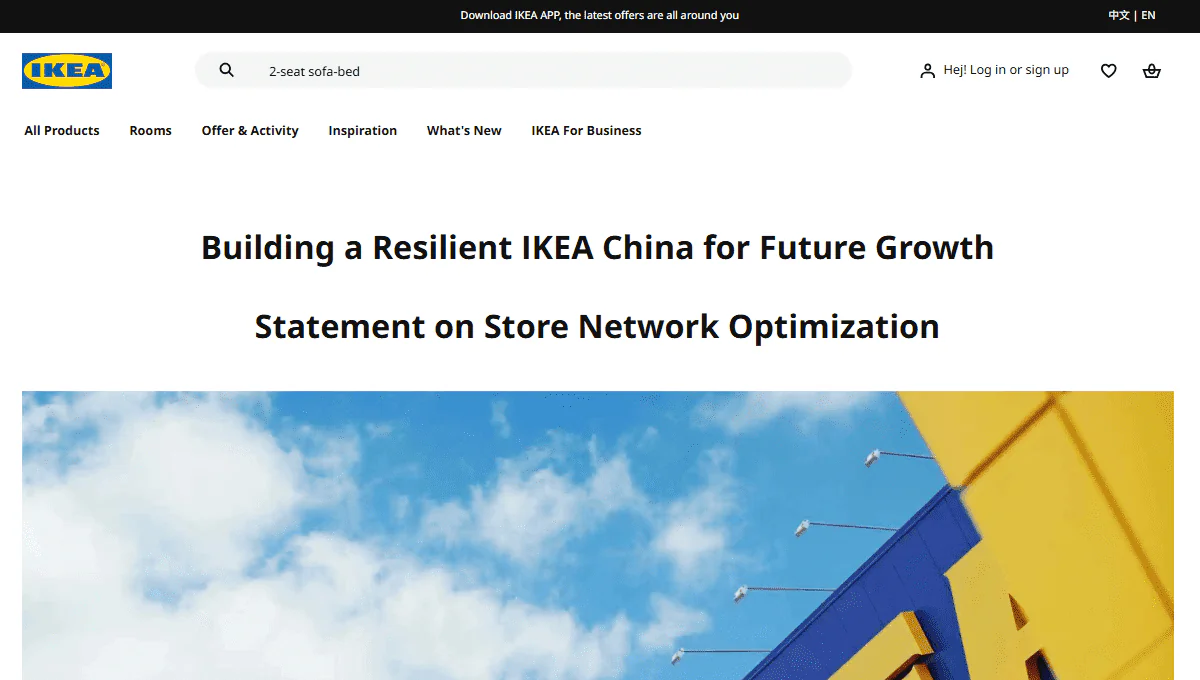
In early 2026, IKEA announced the closure of several large-format stores in China as part of a global retail restructuring strategy.
While the headlines focused on physical stores, many wholesale buyers began asking a more important question: Does this change anything about wholesale sourcing from China? The short answer is no — but the full answer reveals why sourcing strategies matter more than ever for importers, distributors, and private-label brands.
What IKEA’s Closures Really Mean for Manufacturing
It is important to separate retail decisions from manufacturing realities.
IKEA’s store closures are driven by changes in retail economics, not by a reduction in manufacturing capacity.
Rising costs of large physical stores, evolving consumer shopping behavior, and the shift toward online and smaller retail formats are the main factors behind this decision. In fact, IKEA is not exiting China entirely. Instead, the company is shifting its retail strategy toward more flexible, smaller stores in key cities, combined with stronger online channels. These small-format stores are designed to bring products closer to consumers, improve shopping convenience, and complement digital sales.
This strategy allows IKEA to reduce the overhead of large flagship stores while maintaining its presence and customer reach in the Chinese market. China remains a core manufacturing hub for IKEA’s global supply chain. The company continues to rely on Chinese factories for large-scale production, stable output, and cost efficiency. For wholesale buyers, this distinction is critical.
Retail restructuring does not signal the end of wholesale sourcing from China. Instead, it highlights how retail models are changing while manufacturing fundamentals remain strong, and underscores the importance of flexible sourcing strategies that can adapt to evolving market trends.
Why Wholesale Buyers Should Pay Attention
While manufacturing capacity remains strong, the event highlights how quickly global retail models can change.
Wholesale buyers operate in a different environment than large retail chains.
They face tighter margins, faster decision cycles, and higher exposure to inventory risk. This makes sourcing strategy a competitive factor, not just an operational task.
A rigid supply chain that depends on one supplier or one sales channel can quickly become a liability.
Large global brands often rely on highly centralized sourcing systems. This model prioritizes scale but sacrifices flexibility .For wholesale buyers, supplier concentration can lead to:
- Limited negotiation leverage
- Slower response to market demand
- Higher risk when production or logistics are disrupted
Diversifying suppliers is no longer optional.
It is a key part of a modern global sourcing strategy. This is why more buyers are rethinking how they approach wholesale sourcing from China.
Market Gaps Create New Opportunities for Wholesale Buyers
When large retailers like IKEA reduce the footprint of their traditional big-box stores, they leave market gaps that smaller wholesalers and distributors can fill.
These gaps are not signs of declining manufacturing; rather, they reflect a shift toward more flexible retail formats and local distribution channels.
Smaller-format stores and online channels allow global brands to optimize costs and improve consumer reach, but they also open opportunities for wholesale buyers.
Regional distributors, independent retailers, e-commerce sellers, and private-label brands can now step in to serve areas and customer segments that large chains no longer cover. China’s wholesale manufacturing ecosystem is ideally positioned to meet this demand.
Factories that offer flexible MOQs, mixed container loading, OEM/ODM production, and faster product adjustments become highly valuable.
Wholesale buyers can source products quickly, test new SKUs in smaller batches, and respond faster to market trends than traditional large-scale retailers. For importers and private-label brands, this is a clear opportunity to diversify sourcing, reduce risk, and capture untapped market segments, all while leveraging the strength and reliability of China’s manufacturing base.
Speed and Flexibility Matter More
IKEA succeeds through scale and standardization.
Wholesale buyers succeed through speed and adaptability. Instead of committing to massive orders, successful importers:
- Test products in smaller batches
- Adjust designs based on sales feedback
- Restock efficiently without overloading inventory
Flexible sourcing allows wholesale buyers to respond faster than large retail chains.
This is why flexible sourcing has become a core requirement in wholesale sourcing from China.
Global trade conditions are constantly changing.
Shipping costs fluctuate.
Regulatory requirements evolve.
Consumer demand shifts quickly across regions. Wholesale buyers need supply chains that can adjust without disruption.
Key capabilities include:
- Adjustable order quantities
- Shorter production lead times
- Custom packaging and labeling
- Market-specific compliance support
Factories alone rarely provide all of this. This is where working with a China sourcing partner adds value.
The Role of a China Sourcing Partner in Wholesale Sourcing from China
As wholesale sourcing from China becomes more complex, working with a China sourcing partner is increasingly valuable for importers, distributors, and private-label brands.
A professional sourcing partner helps wholesale buyers navigate the vast Chinese manufacturing ecosystem by:
- Identifying reliable factories and verified China wholesale suppliers
- Comparing costs, production options, and lead times to ensure competitive pricing
- Managing quality control and inspections to reduce defects and delays
- Coordinating logistics, packaging, and compliance for international markets
- Reducing sourcing risk through diversified supplier networks
Instead of relying on a single factory, buyers gain access to a broader, flexible supplier base.
This allows them to respond quickly to market changes, launch new SKUs in smaller batches, and maintain inventory efficiency — all critical advantages in a market where retail models are shifting toward smaller stores and stronger online channels.By partnering with an experienced sourcing agent, wholesale buyers can fully leverage China’s manufacturing strengths while minimizing operational risk and staying competitive in a changing global retail landscape.
What Wholesale Buyers Should Do Next
Wholesale buyers can turn the retail changes and market gaps into actionable opportunities by following these steps:
Step 1: Diversify Your Suppliers
Avoid depending on a single factory or supplier. Build a network of verified China wholesale suppliers to reduce risk and improve supply chain reliability.
Step 2: Increase Sourcing Flexibility
Work with factories or a China sourcing partner that offers adjustable MOQs, mixed container loading, and fast product adjustments. Flexibility allows you to respond quickly to market trends.
Step 3: Test New Products in Small Batches
Launch new SKUs with smaller orders first. This reduces inventory pressure, allows faster feedback, and helps you adjust your offerings based on actual market demand.
Step 4: Strengthen Quality Control and Compliance
Ensure all products meet international standards before shipment. Proper QC prevents returns, delays, and reputational risks.
Step 5: Partner with an Experienced China Sourcing Agent
A professional sourcing partner helps coordinate multiple factories, manage logistics, optimize packaging, and provide guidance on cost-effective sourcing. Following these steps, wholesale buyers can capitalize on the opportunities created by retail shifts, fill market gaps left by large chains, and maintain a competitive edge in wholesale sourcing from China.
Build a More Flexible Wholesale Sourcing From China Strategy
IKEA’s store closures and shift toward smaller, flexible retail formats highlight an important lesson for wholesale buyers: success in sourcing from China depends on flexibility, diversification, and smart supply chain management.
Wholesale buyers who adapt to these market shifts can:
- Take advantage of gaps left by large retailers
- Respond quickly to changing consumer demand
- Minimize inventory and operational risks
- Launch new products efficiently
Working with an experienced China sourcing partner allows importers and private-label brands to leverage China’s manufacturing strengths while maintaining speed, quality, and cost efficiency.
In a rapidly evolving global retail landscape, building a flexible and reliable supply chain is no longer optional — it is a key competitive advantage.
Ready to strengthen your wholesale sourcing from China?
Partner with a trusted China sourcing agent today to access verified suppliers, flexible production options, and faster market response.
View Related Content